For the first three years of running my mattress factory, I treated packing as an afterthought. We focused all our energy on quilting, sewing, tape edge, and assembly. Packing was just something that happened at the end—four workers with shrink wrap, hand tools, and a lot of patience. It took 5 minutes to pack a single mattress. The packing station employed more people than any other department. And it was the number one source of worker injuries.
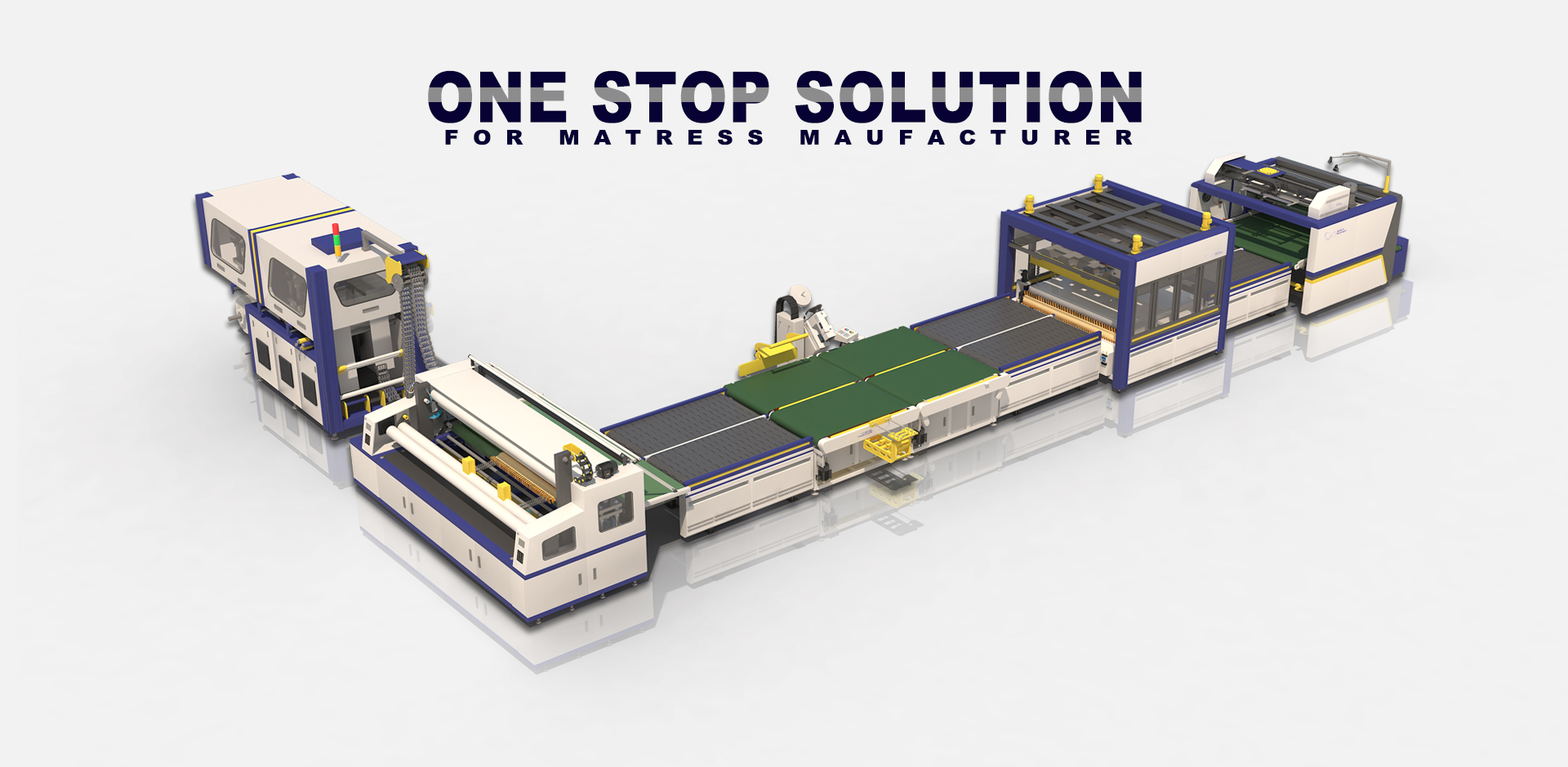
When we finally decided to fix our packing bottleneck, we discovered two machines from Infinity Mattress Machinery that changed everything: the IF-CR2 Automatic Mattress Roll Packing Machine for compressed roll packing, and the IF-AMB Automatic Mattress Packing Line for flat compressed packing. Together they reduced our packing time from 5 minutes to 30 seconds per mattress, cut labor by 75%, and eliminated packing-related injuries entirely.
Our packing process was brutally manual. Four workers per shift would take a finished mattress, wrap it in plastic sheeting, compress it using a manual strap system, tape the ends, label it, and move it to the shipping area. The whole process took 4-6 minutes per mattress, depending on the size. King-size mattresses took closer to 7 minutes.
The math was brutal. With four workers per shift across two shifts, we had eight people dedicated to packing. At 5 minutes per mattress, our maximum theoretical output was 96 mattresses per shift. But in reality, breaks, fatigue, and bottlenecks meant we averaged 70-75. Our production line could easily produce 100+ mattress units per shift. Packing was the bottleneck that capped our entire factory output.
Worker injuries were a constant problem. The manual compression step required workers to apply force while bending over—a recipe for back injuries. We had three workers file compensation claims in two years. The packing station had the highest turnover rate in the factory. Nobody wanted that job.
The breaking point came when a major retail chain placed a standing order for 300 mattresses per week. We simply could not pack that volume with our manual system. We either automated packing or turned down the largest contract in our company’s history.
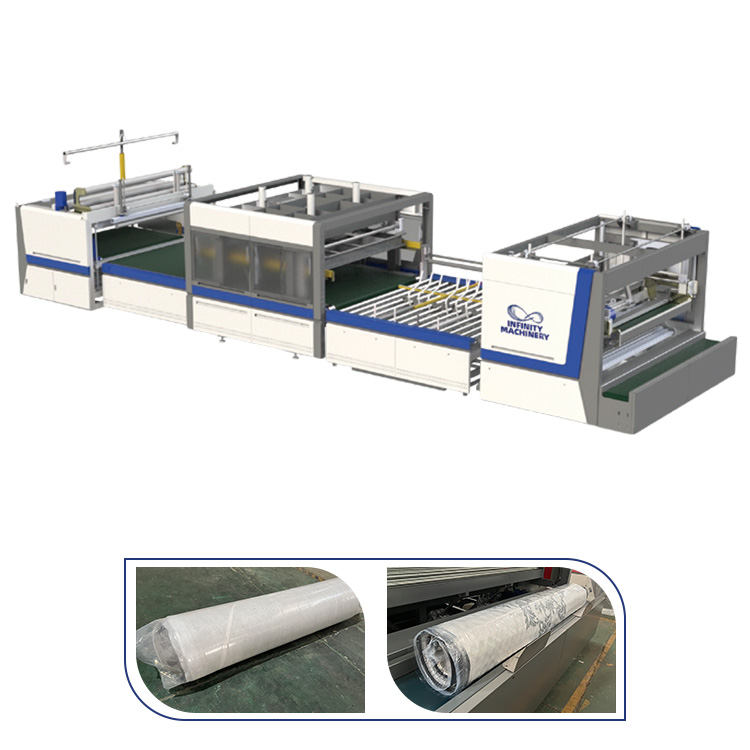
The IF-CR2 Automatic Mattress Roll Packing Machine was our first investment in automated packing. It is designed for the increasingly popular roll-pack format—where mattresses are compressed, rolled, and sealed in a compact cylinder for easy shipping and handling.
The IF-CR2 replaced three of our four packing workers per shift. We kept one operator to load mattresses onto the machine and manage the output. The packing time dropped from 5 minutes to 30 seconds. Within the first month, we were packing 140 mattresses per shift—double our old output with 75% fewer workers. The machine paid for itself in 5 months from labor savings alone.

While the IF-CR2 handles roll packing, some customers prefer flat-packed mattresses. For those orders, we installed the IF-AMB Automatic Mattress Packing Line. Unlike roll packing, the IF-AMB compresses the mattress flat and seals it in a protective film without rolling.
The IF-AMB complemented the IF-CR2 perfectly. We route roll-pack orders through the IF-CR2 and flat-pack orders through the IF-AMB. With both machines running, our packing department handles any order type without reconfiguration. The two machines together require just two operators per shift, down from eight.
The financial impact was dramatic. Monthly labor cost for packing dropped from $14,400 to $3,600—a saving of $10,800 per month, or $129,600 per year. The combined purchase price of the IF-CR2 and IF-AMB was approximately $57,000 delivered. Payback period: just over 5 months.
On top of labor savings, the reduction in damage claims saved us an estimated $2,000 per month in replacements and shipping refunds. The elimination of workplace injuries saved us approximately $15,000 per year in insurance premiums and compensation claims. Total annual savings exceeded $160,000.
The IF-CR2 arrived first, followed by the IF-AMB a week later. Infinity sent a two-person installation team that had both machines unpacked, positioned, and calibrated within three days.
We configured the packing department as a two-line system. The IF-CR2 handles roll-pack orders on one side of the room, while the IF-AMB handles flat-pack orders on the other side. A simple conveyor system brings finished mattresses from the production line to a central staging area, where the operator routes each mattress to the appropriate packing machine based on the order type.
Training was straightforward. The IF-CR2’s touchscreen interface guides the operator through the process. After two hours of practice, our operators were running both machines confidently. Within a week, we had trained four operators to handle either machine, giving us scheduling flexibility.
One unexpected benefit was that the packing station became the most popular job in the factory. Instead of hard manual labor, operators now sit at a control panel overseeing an automated process. Absenteeism in the packing department dropped from 15% to under 2%.
One of the hidden costs of manual packing was damage. Inconsistent wrapping, uneven compression, and poor sealing led to 5-7 customer damage claims per month. Each claim cost us an average of $300 in replacement mattresses and shipping costs.
The IF-CR2 and IF-AMB eliminated almost all damage claims. The machines apply consistent compression force and wrap the mattress uniformly every time. The PLC control ensures that the packing parameters are optimized for each mattress size and type. In the 8 months since installing both machines, we have received exactly one damage claim—and that was caused by a forklift accident in transit, not by the packing quality.
The consistent packing quality also improved our brand image. Customers have commented that our mattresses arrive in better condition than competitors’ products. Several wholesale accounts have specifically mentioned our packing quality as a reason for continuing to do business with us.
Both machines have been running for 8 months with minimal maintenance. Here is our actual experience:
Based on our experience, here is what I would recommend to any mattress factory owner evaluating packing automation:
Eight months after installing the IF-CR2 and IF-AMB, our packing department has been completely transformed. Monthly labor cost dropped from $14,400 to $3,600. Packing capacity tripled from 75 to 200+ mattresses per shift. Damage claims fell from 5-7 per month to near zero. Workplace injuries in the packing department went from 3-4 per year to zero.
The equipment paid for itself in 5 months. The ongoing savings of $10,800 per month in labor, plus the reduction in damage claims and injury costs, add up to over $160,000 in annual savings.
Looking back, I cannot believe we waited so long to automate packing. It was the most obvious, high-ROI investment we could have made. If your packing line is still manual, do what we should have done years ago: automate it.
Packing is often the last department factory owners think about automating. But it is also one of the easiest to justify financially. The labor savings alone typically deliver a payback period of under 6 months. The additional benefits—fewer injuries, lower damage claims, higher capacity, better customer satisfaction—are pure upside.
Infinity Mattress Machinery has been manufacturing packing equipment for over a decade. Their machines are CE certified, ISO 9001 compliant, and backed by responsive after-sales support including remote diagnostics. They helped us configure the right combination of packing machines for our product mix and volume.
Whether you need a roll-packing machine, a flat-packing line, or a complete integrated system, talk to Infinity about your packing needs. They will help you calculate the ROI for your specific operation and recommend the right equipment configuration.
Tell us your current packing process and volume. We will calculate your exact savings with the IF-CR2 and IF-AMB automated packing solutions.